
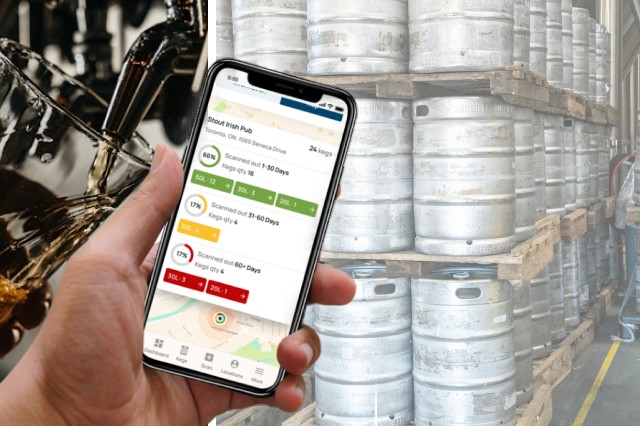
Keg Tracking Systems: Why Breweries Need Them & Top Types
Why keg tracking is important
Kegs are one of the most expensive reusable assets a brewery owns — and historically they’ve been poorly tracked. Modern tracking systems exist mainly to solve loss, inefficiency, and visibility problems.
1) Reduce lost or stolen kegs
Industry keg loss can reach ~5% annually, sometimes even higher. Tracking systems create a digital identity for every keg and follow it through filling → delivery → return → cleaning cycles. When breweries know where kegs are, they:
- Avoid unnecessary purchases
- Reduce replacement costs
- Improve utilization of existing fleets
2) Improve inventory & logistics
Without tracking, breweries rely on manual counting or spreadsheets — slow and inaccurate. Modern systems:
- Show which kegs are full, empty, or at a customer site
- Predict shortages and optimize production schedules
- Automate check-in/out processes
Real-time tracking can also reduce delivery errors and speed up returns, improving supply chain efficiency.
3) Automation & labor savings
Manual scanning or logging kegs wastes time. RFID and IoT systems automatically identify multiple kegs at once, update inventory instantly, and reduce human error. Example: A truck passing an RFID gate can automatically count every keg without manual scanning.
4) Compliance, quality & lifecycle data
Tracking systems store data like cleaning history, batch information, filling date, and location. This helps with food safety and regulatory compliance — especially in larger operations.
5) Financial & sustainability benefits
IoT tracking helps breweries reduce empty transport trips, optimize routes, and lower carbon footprint. Since kegs are returnable assets, tracking them is basically asset management — not just inventory.
Types of Keg Tracking Systems
There isn’t just one method — breweries use different technologies depending on budget and goals.
1. Barcode / QR Code tracking
How it works: Each keg gets a barcode sticker or engraved QR code. Staff scan it at every step.
Pros: Cheapest to start, simple to deploy, works with mobile apps.
Cons: Requires manual scanning, no real-time tracking, human error possible. Often used by smaller breweries or as a first step.
2. RFID tracking (most common upgrade)
How it works: Passive RFID tags mounted on kegs are read automatically by handheld scanners or gate readers.
Benefits: Non-line-of-sight scanning, batch scanning hundreds of kegs, works in harsh industrial environments. RFID gives breweries automated inventory updates, reduced keg loss rates, and faster logistics workflows.
3. GPS / Cellular / IoT “Smart Kegs”
How it works: Battery-powered trackers attached to kegs send location data through cellular or LPWAN networks.
Typical features: Live location tracking, motion & temperature sensors, route optimization. These systems help reduce empty trips and track kegs globally. Used by keg leasing companies and large distributors.
4. Flow meter & level monitoring systems
Different category — more about how much beer is left than where the keg is. Examples include line flow meters, weight-based sensors, and ultrasonic level sensors. Use cases: inventory monitoring at bars and waste tracking. These don’t replace asset tracking — they complement it.
5. Hybrid tracking platforms (software + hardware)
Modern platforms combine RFID or QR tagging, GPS tracking, ERP integration, and analytics dashboards. They give full lifecycle visibility: Filled → Delivered → On tap → Empty → Cleaning → Refill.
Quick Comparison of Tracking Types
| Type | Cost | Automation | Real-Time Tracking | Best For |
|---|---|---|---|---|
| Barcode/QR | $ | Manual | No | Small breweries |
| RFID | $$ | Semi-auto | Limited site | Mid-large fleets |
| IoT/GPS | $$$ | Full auto | Full location | Leasing networks |
| Flow Meters | $$ | N/A | Volume only | Bars/inventory |
| Hybrid | $$$ | Full suite | Complete lifecycle | Enterprise ops |
Real-world takeaway
The market is moving toward “smart asset tracking”, not just simple inventory. What breweries increasingly want:
- Real-time visibility
- Automated lifecycle tracking
- Integration with POS, logistics, and ERP
- Data analytics (turnover speed, dwell time, etc.)
RFID used to be the main solution — now IoT + sensors + software is becoming the next step.
FAQ
Do small breweries need keg tracking?
Absolutely—5% loss on 100 kegs stings. QR apps start cheap.
RFID or GPS first?
RFID for local fleets; GPS for travel. Hybrids cover both.
Real savings?
Teams reclaim 10%+ lost stock quickly, plus hours from auto-logs.
Final Notes
Tracking kegs is increasingly essential for cost control, logistics, and sustainability. Choose a solution that matches fleet size, budget, and integration needs — and plan to evolve from QR → RFID → IoT as operations scale.